Molybdomancy? Holy moly… What on Earth is that? Well, supposedly a way of foreseeing, telling the future. More commonly known as tin casting, this technique of prediction is based on reading the soft metal formations after melting and solidifying the material over ice cold water. The Greeks did it in the ancient days, and somehow we the Finns have made it our New Year’s tradition too.
Tin is a metal that has a low melting point, which makes it possible to be molten over a gas cooker, a kitchen stove or an open fireplace. After melted, it is thrown into a bucket full of cold water. It solidifies instantly and can then be picked up. On New Year’s Eve, everyone makes their own tin creature, which tells something important about the year ahead.
The two main ways of reading your tin are 1) observing it directly, paying attention not only to its form but also to the surface texture, and 2) setting the tin formation between a bright lamp and a wall, reading the shadow that the form draws from different angles.
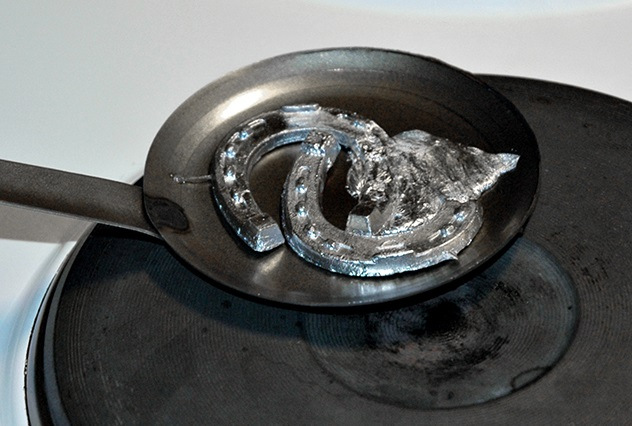
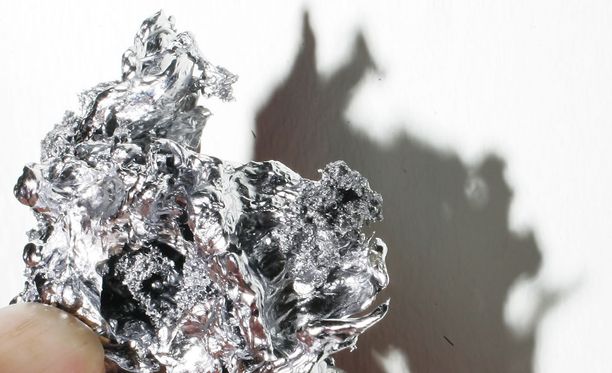
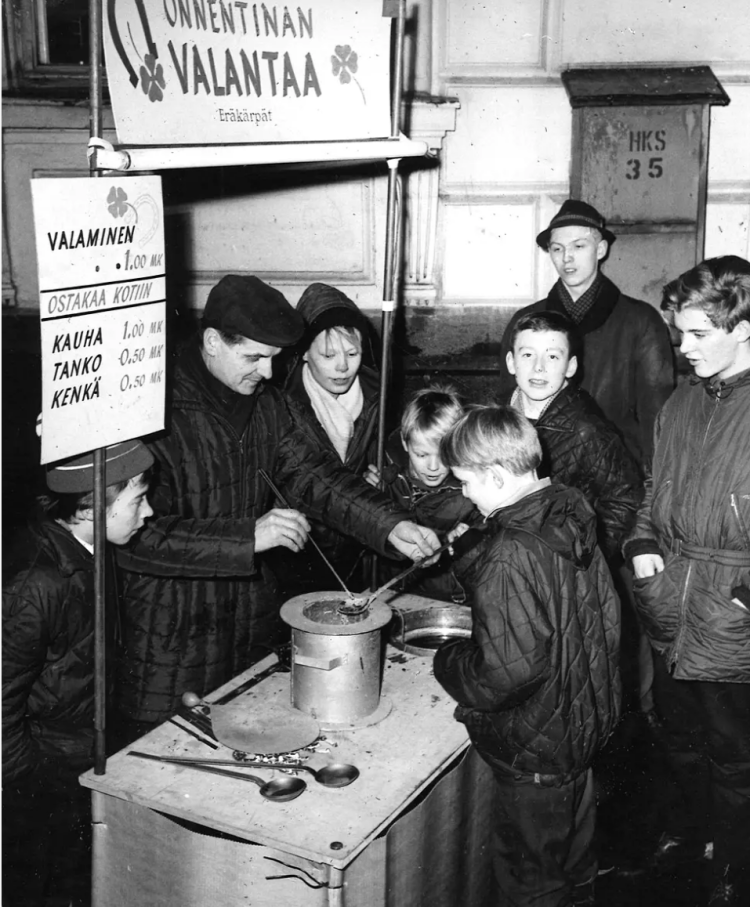
The tradition is as old as memory. Even though it carries the name of tin – the first metal used – it has been commonly replaced by led, a much cheaper soft metal. Nonetheless, in 2018 the European Union classified lead containing products as non-suitable for human use, and it became prohibited to sell it for molybdomancy.
A healthier and more ecologically aware alternative to carry the tradition on has been found in bee wax. Now we just have to take good care of the bees, or New Year’s Eve will never be the same again.
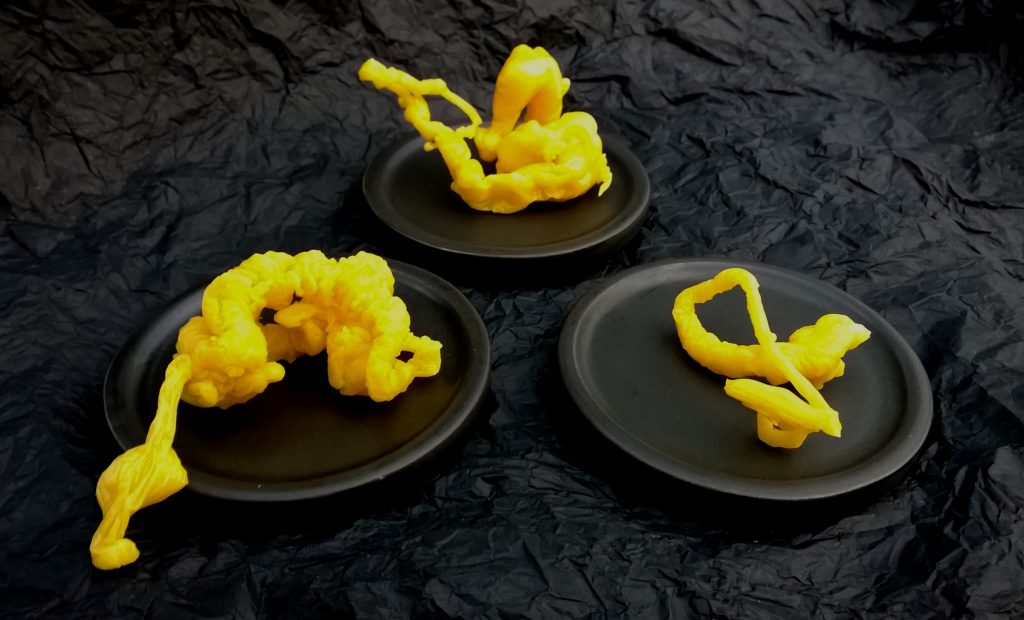
Other molybdomancy alternatives: sugar and candles
What traditions does your culture have concerning the future?
As 5th- and 6th-grade homework, read the news article form late 2017 that informs Finns about the safety hazards of using tin-and-led products for the famous New Year’s tradition: “Safety watchdog: Use beeswax or sugar instead of tin for New Year’s Eve tradition”. After reading the article, answer the following questions: What is the foremost health hazard related to led the article mentions? Which institution has classified led as dangerous? How is lead to be disposed of?
As 4th-grade homework, write a 10 point wish list for the coming year.
 Weird Finnish Traditions